My career story
From Craiova
to Copenhagen
A path shaped by a passion for physics, mathematics, and computer graphics—from joining the first team at Ubisoft Craiova to leading engineering teams at Unity.
English Published on
2008—present Ubisoft Unity
The beginning
A team of twelve
My interests in physics and mathematics met a new passion at university: computer graphics.
I was fortunate to be one of the twelve people on the first team that laid the foundations of Ubisoft Craiova. The studio began through a close partnership between the French company and the University of Craiova—particularly the Faculty of Automation, Computers and Electronics—which brought together the first group of people passionate about programming and technology.
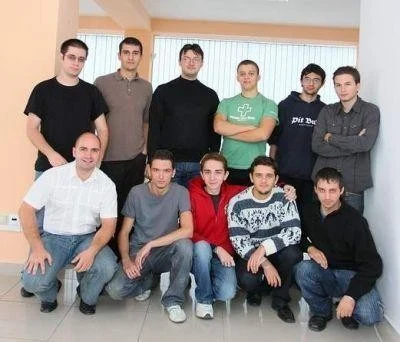
From that small team in 2008, the studio grew steadily to more than a hundred colleagues across production, technology, and quality control.
The article announcing the studio’s opening, published in September 2008, preserves a picture of that moment: twelve young people, a new computer graphics laboratory, and a partnership between Ubisoft and the university.
Ubisoft
From generalist programming to technical leadership
I worked across the full spectrum of game development: gameplay and user interface, graphics and physics, engine technology and artificial intelligence.
This broad experience gave me a comprehensive view of projects and made the transition into management and technical leadership feel natural. I went on to lead teams of up to ten programmers while remaining close to architecture and implementation.
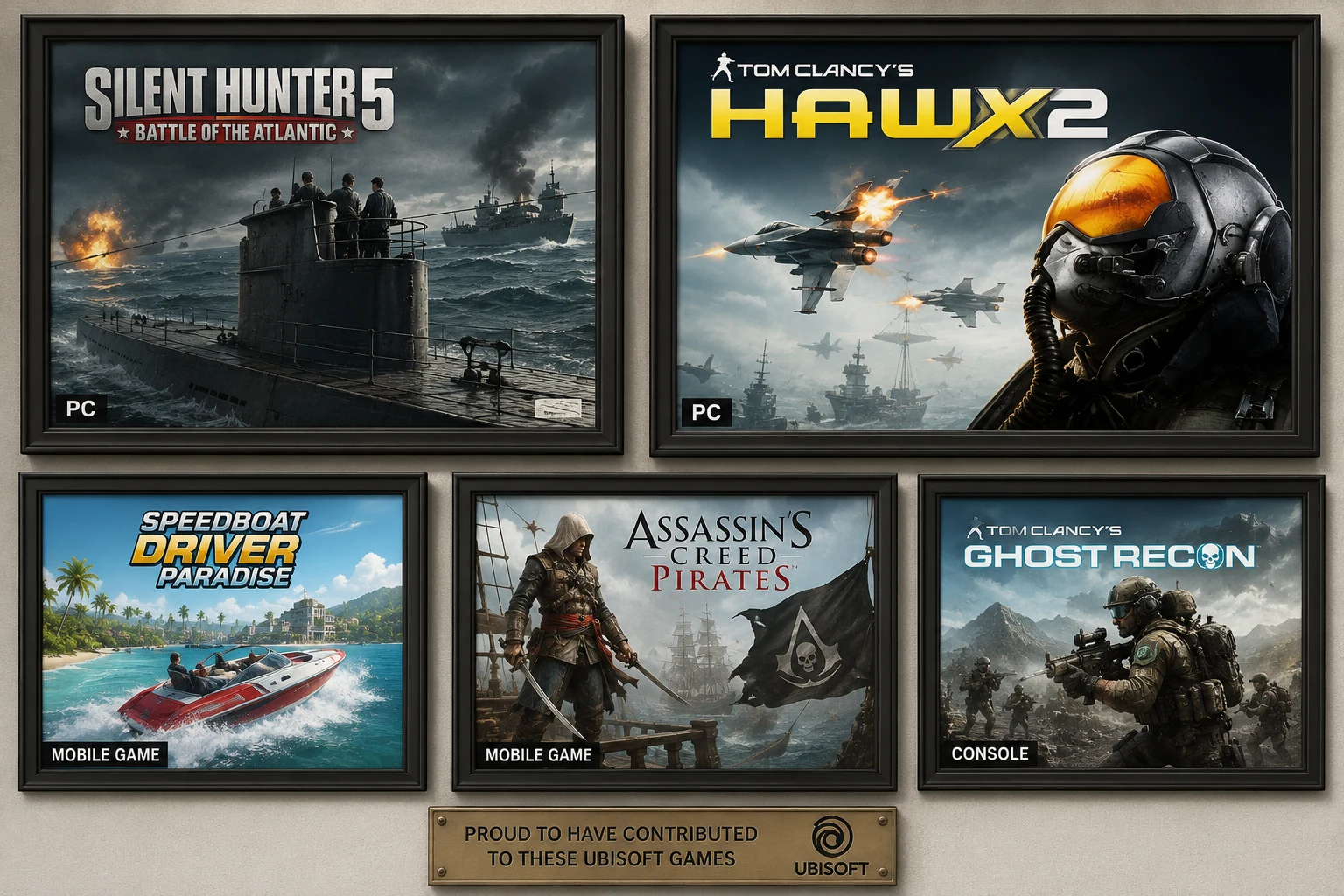
- Silent Hunter 5
- H.A.W.X. 2
- Ghost Recon: Future Soldier
- Assassin’s Creed Pirates
- Driver’s Speedboat Paradise
Unity · Copenhagen
Infrastructure, teams, and systems at scale
A unique opportunity brought me to Unity in Copenhagen, where I started as a software engineer.

I focused on infrastructure tooling, maintaining CI/CD systems, and providing technical support for complex internal productions such as DOTS, built on the data-oriented ECS architecture.
I later moved into a Lead Software Engineer role, leading teams that improve engine quality and stability through crash and performance data analysis, as well as internal tools for distributing Unity packages.
Although I lead teams and plan operational strategy, I remain a hands-on developer.
I continue to build and innovate through process automation and direct technical collaboration with other engineering leads across Unity.
Read a generalized case study about turning engine failures into an operational feedback loop.